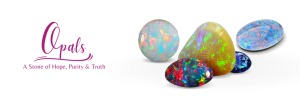
Opal is indeed a mesmerizing gemstone renowned for its spectacular display of colors. This unique play of color, known as opalescence, is due to the gemstone’s internal structure of tiny silica spheres. These spheres diffract light, producing flashes of bright oranges, reds, yellows, and soft blues, greens, and purples. This interaction with light makes opal exceptionally beautiful and difficult to imitate, contributing to its status as one of the most prized gemstones globally.
Key Points about Opal:
- Color Play: Opal’s main allure lies in its vivid play of colors. The diffraction of light within the stone creates a dynamic and multi-colored appearance.
- Mineraloid Composition: Unlike many gemstones that have a crystalline structure, opal is a mineraloid, lacking a fixed crystal structure.
- Global Sources:
- Australia: The largest producer of opals, renowned for black opals, boulder opals, and crystal opals.
- Mexico: Known for fire opals.
- Brazil and the United States: Also significant sources of opal.
- Uses:
- Jewelry: Opals are commonly set in rings, pendants, and earrings.
- Ornamental Items: Used in decorative pieces like vases and bowls.
- Birthstone: Opal is the traditional birthstone for October, symbolizing hope, purity, and truth.
Types of Opals:
- Black Opal: Known for its dark body tone, which makes the play of colors more vibrant.
- Boulder Opal: Features opal veins within ironstone boulders, offering a unique and striking appearance.
- Crystal Opal: Transparent to semi-transparent with an impressive play of colors.
- Fire Opal: Typically found in Mexico, characterized by its bright orange or red body color.
Care Tips for Opal:
- Avoid Sudden Temperature Changes: Opals are sensitive to sudden temperature fluctuations which can cause cracking.
- Moisture: Opals contain water, so they should be stored in a moist environment to prevent drying out.
- Cleaning: Clean opals with a soft cloth and avoid harsh chemicals or ultrasonic cleaners.
Opal’s unique beauty and fascinating interplay with light make it a cherished gemstone in various forms of jewelry and decorative arts. Its rarity and the difficulty in creating convincing imitations add to its value and desirability.