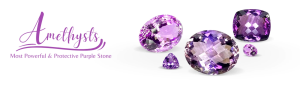
Amethyst, a captivating purple variety of quartz, is celebrated as the birthstone for February. Renowned for its rich history and symbolic meanings, amethyst has been cherished in jewelry for centuries. The term “amethyst” derives from the Greek word “amethystos,” meaning “not intoxicated,” reflecting the ancient Greek belief that the stone could prevent drunkenness and encourage sobriety.
Color and Sources Amethyst’s color spectrum ranges from light pinkish-purple to deep violet. While high-quality amethyst is famously sourced from Russia, Brazil stands as the largest supplier globally, providing an abundant variety of this beautiful gemstone.
Physical and Emotional Benefits Amethyst is reputed for its myriad benefits:
- Stress Relief: The stone is believed to alleviate stress and promote a sense of calm.
- Improved Sleep: Amethyst is thought to aid in achieving better sleep quality.
- Emotional Balance: It is associated with promoting emotional stability and balance.
- Spiritual Healing: Frequently used in meditation, amethyst is linked to spiritual healing and enhancing intuition.
Jewelry and Usage Amethyst’s allure makes it a popular choice in various jewelry pieces. It is often cut into diverse shapes, such as round, oval, and pear, and set in earrings, necklaces, and rings. Due to its durability and affordability, amethyst is also favored as an alternative to diamonds in engagement rings.
Conclusion With its stunning purple hues, historical significance, and numerous benefits, amethyst remains a treasured gemstone. Whether for its aesthetic appeal or its symbolic meanings, amethyst is a remarkable addition to any jewelry collection.